Master Your Brand's First Impression with Facebook Covers Designs Templates
In the crowded world of social media, your Facebook page is often the first stop for potential customers, clients, or followers. That prime piece of real estate at the top of your page—the cover image—is a powerful visual handshake. It sets the tone, communicates your brand's personality, and can significantly influence whether someone decides to stick around. Yet, creating a professional, eye-catching cover from scratch can be time-consuming and daunting, especially if you're not a seasoned graphic designer. This is where a high-quality, ready-to-use template becomes an invaluable asset.
The Anatomy of a Professional Facebook Cover Template
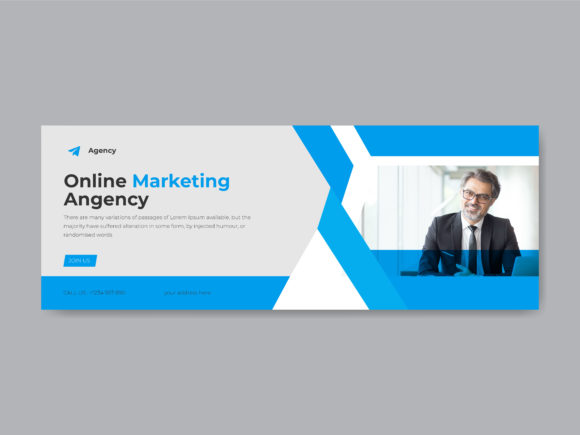
A truly effective template is more than just a pretty picture; it's a carefully constructed design system. The Facebook Covers Designs Templates offered here are built with the designer's workflow in mind. The foundation is the correct 851px by 315px dimension, ensuring your final image displays perfectly without awkward cropping. Created in Adobe Illustrator CC, these are vector-based files, meaning you can scale elements without losing quality. The layers are meticulously organized and labeled, a small detail that saves enormous time when you're customizing. You'll find text set in popular free Google Fonts, so there are no hidden licensing costs for the typography. The use of Smart Objects for key elements allows for non-destructive editing—you can swap out a placeholder image with your own photo in seconds, and it will automatically conform to the shape and style of the template. Delivered in RGB color mode at 150 DPI, the files are optimized for digital display, ensuring vibrant colors and crisp details on screens.
Where This Template System Truly Shines
The versatility of a well-designed template system like this is its greatest strength. It’s a foundational design asset for a wide range of projects. For entrepreneurs and small business owners, it provides a quick path to a polished, professional page that builds immediate trust. Marketers and content creators can use it to maintain brand consistency across campaigns, ensuring every promotional post or event announcement looks cohesive. Bloggers and publishers find it ideal for creating thematic headers that reflect the subject of their latest article or video series. Even for personal use, such as a portfolio page for a crafter or hobbyist, these templates offer a way to showcase work with a level of polish that stands out.
Think about the practical applications. A local bakery could use a template to feature a stunning photo of their latest pastry, with elegant text overlay announcing weekend specials. A freelance graphic designer might rotate covers to highlight different service areas—logo design one month, web design the next. A nonprofit organization can quickly update their cover to promote an upcoming fundraiser, ensuring the visual call-to-action is as compelling as the written one. The common thread is efficiency without sacrificing quality.
How a Strong Visual Framework Influences Perception
The structure of your Facebook cover does more than just look good; it actively shapes how your audience perceives your brand. A cluttered, amateurish cover can subconsciously signal a lack of professionalism. Conversely, a clean, well-composed design using a template with strong visual hierarchy guides the viewer's eye exactly where you want it—typically to your logo, your core message, or a call-to-action. This clarity improves readability and makes your key information instantly digestible.
Consistency is another critical benefit. When you use the same template family (adjusting images and text but keeping the core layout and typography), you create a recognizable visual language. This repetition builds brand recognition. Followers start to associate that specific style with your content, which strengthens your brand identity over time. It’s a subtle form of marketing that pays dividends in audience engagement and recall.
Practical Guidance for Customization and Use
Getting the most out of these templates requires a thoughtful approach. Start by evaluating the template's personality against your brand. Does the style align with your industry and audience? A playful, script-heavy design might work for a children's boutique but feel out of place for a law firm. Choose a template that resonates with your brand's voice.
Once you've selected a base, customization is straightforward thanks to the organized layers. Here’s a practical checklist:
- Typography: The included Google Fonts are free to use commercially. Experiment with the font pairings provided, but don't be afraid to swap them out for others from the same library if needed. Ensure the final text is legible at the small sizes it will be viewed at on mobile devices.
- Imagery: Use high-resolution photos that are relevant and engaging. When using Smart Objects, ensure your replacement image has similar lighting and contrast to the placeholder to maintain the template's intended mood.
- Color: The files are in RGB, perfect for screens. You can easily adjust the color scheme in Illustrator to match your brand's exact hex codes. This is a crucial step for brand consistency.
- Final Export: When saving your final JPEG or PNG, double-check that the dimensions remain 851x315 pixels. For Facebook, a file size under 100KB often provides the best balance of quality and load speed.
Remember, the goal is not to use every design element in the template, but to use the structure to showcase your unique content effectively. A little restraint often leads to a more powerful and professional result. By leveraging these meticulously crafted Facebook Covers Designs Templates, you're not just saving time—you're investing in a consistent, credible, and engaging visual presence that works hard for your brand every single day.