Tree and Health Landing Page Templates: A Designer's Guide
When you're building a website for a wellness brand, yoga studio, organic farm, or any business rooted in nature and well-being, the landing page is your digital handshake. It needs to feel calm, trustworthy, and connected to the earth. That's exactly the vibe the Tree and Health Landing Page Templates deliver. These aren't just generic layouts; they're crafted design assets built with a specific aesthetic in mind—one that blends organic shapes, serene color palettes, and clean, modern typography to create an immediate sense of balance and professionalism.
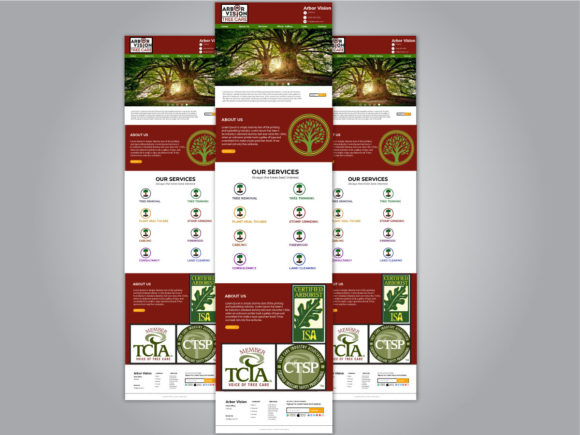
Think of the visual personality here. It's not loud or aggressive. The style leans into soft greens, warm earth tones, and gentle gradients that mimic natural light filtering through leaves. The layouts use plenty of white space, allowing content to breathe, which is crucial for health and wellness audiences who often seek clarity and calm. The overall appeal is one of accessible elegance—it feels premium without being pretentious, professional yet approachable. This makes it a powerful starting point for anyone from a small business owner launching a new product to a blogger sharing mindfulness tips.
Where These Templates Truly Shine
The versatility of a well-designed template set like this is its greatest strength. While the name suggests a niche, its applications are broad. For brand identity projects, it provides a cohesive visual foundation. A startup selling herbal supplements or a therapist opening a private practice can use these templates to quickly establish a look and feel that communicates their core values—natural, healthy, and reliable. The design does the heavy lifting of setting the right tone before a single word of copy is read.
In marketing and digital contexts, the templates are invaluable. They're optimized for conversion, with clear sections for hero images, testimonials, service breakdowns, and calls-to-action. A marketer can use them to build landing pages for email campaigns, product launches, or webinar sign-ups without needing to code from scratch. For social media graphics, the consistent visual language can be adapted to create Instagram stories, Facebook ads, or Pinterest pins that drive traffic back to the main site, ensuring brand recognition across platforms.
Even in print and editorial design, the elements have a place. The color schemes and layout principles can inspire brochure designs, workshop flyers, or the layout of a wellness-focused magazine. The templates act as a springboard for creativity, not a cage. A designer can take the core aesthetic and adapt it to a packaging design for a natural skincare line or the interior pages of a self-published book on holistic health.
The Power of a Full Vector Logo Specification
A landing page is nothing without a strong logo, and this is where the included Logo Specification becomes critical. The fact that you receive a Full Vector (SVG & EPS) file is non-negotiable for any serious project. Vector graphics are mathematical equations, not pixels. This means your logo can be scaled from a tiny favicon to a massive billboard without losing a shred of clarity. This is essential for maintaining brand identity consistency across all touchpoints.
The High Resolution ensures it looks sharp on every screen, from a smartphone to a 4K monitor. But the real game-changer is the Ready to Change Text feature. This transforms the logo from a static image into a dynamic design asset. You're not stuck with the placeholder text. You can instantly customize it with your actual business name, tagline, or a seasonal slogan. This flexibility is a massive time-saver and empowers you to make the design truly yours from day one.
Practical Guidance for Implementation
So, you've downloaded the zip file. What's next? First, explore the EPS file. If you have Adobe Illustrator, you can open it directly. The instructions say it's 100% Vector and Easy to edit & customize, and that's accurate. You can select individual shapes—the tree icon, the text, the background elements—and change their colors to match your specific brand palette. This is where you move from a generic template to a bespoke logo design.
When choosing this template set for a project, evaluate the fit. Does the organic, health-focused visual style align with your client's or your own brand's personality? It's a perfect match for a yoga instructor, an eco-friendly product line, or a nutritionist. It might be less suitable for a tech startup or a law firm. Always ask: does this aesthetic support the message we need to convey?
Next, think about font pairing. The templates likely come with suggested typefaces. Test them. The body copy font should be highly readable for longer paragraphs, while the display font for headings can have more character. Ensure the pairing creates a clear visual hierarchy. Your most important message (the headline) should be the most prominent, followed by subheadings, then body text. This guides the visitor's eye and improves comprehension.
Finally, consider the licensing. The package includes files for commercial use, which is vital. You need to be sure you have the right to use the final design in client work, on products for sale, or in monetized content. This removes legal ambiguity and lets you focus on creativity. By leveraging these design assets thoughtfully, you can build a professional, cohesive, and engaging online presence that resonates deeply with an audience seeking health and connection to nature.