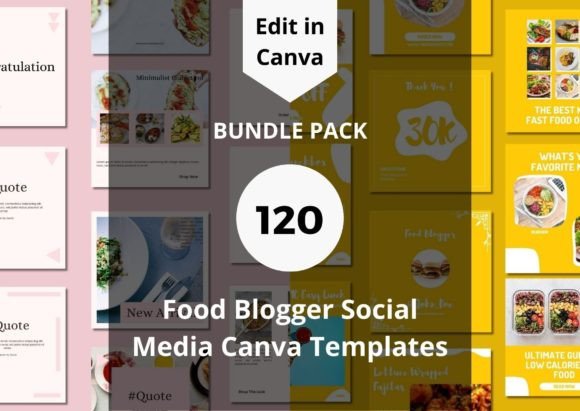
Elevate Your Food Blog with 120 Social Media Templates
Consistently creating visually appealing and on-brand content for a food blog or culinary business is a significant undertaking. The demand for fresh, engaging social media graphics can be overwhelming, especially when you're also focused on recipe development, photography, and community management. This is where a comprehensive toolkit like 120 Food Blogger Social Media Templates becomes an indispensable asset. These modern packages are designed to streamline your workflow, enhance your visual storytelling, and ultimately help you grow your online presence with a professional and cohesive aesthetic.
A Modern Design System for Culinary Creators
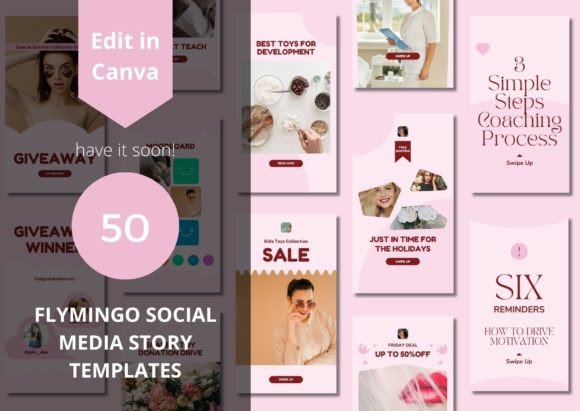
At its core, this collection of 120 templates provides a unified visual language. The personality is clean, contemporary, and appetizing, balancing white space with vibrant food photography placeholders. The style leans towards modern typography, often utilizing a mix of elegant serif fonts for headings and clean sans serif fonts for body text, creating a hierarchy that is both beautiful and highly readable. The overall appeal lies in its versatility; it doesn't force a single rigid style but offers a flexible framework that can be adapted to minimalist, rustic, bold, or elegant brand identities. Each template acts as a design asset, a pre-structured canvas that ensures every post, from a recipe highlight to a behind-the-scenes story, feels intentionally crafted and part of a larger brand identity.
Where These Templates Shine: From Feed to Website
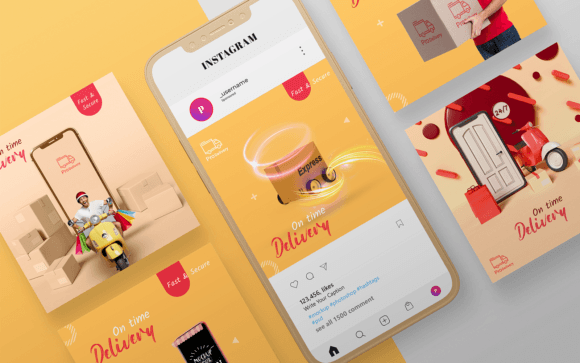
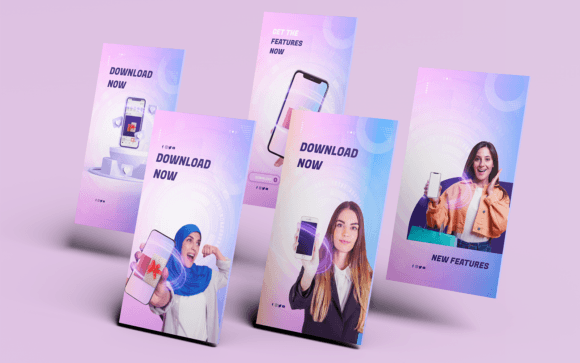
The utility of a well-designed template library extends far beyond a single Instagram post. The 120 Food Blogger Social Media Templates are optimized for the most critical digital touchpoints. They are perfect for crafting a visually consistent and engaging Instagram grid, but their application is broader. Use them to create compelling Pinterest pins that drive traffic, design eye-catching Facebook event covers, or develop cohesive story sequences that educate and entertain your audience. For bloggers, these templates can be adapted for editorial design within blog posts themselves, creating styled recipe cards or featured image graphics. Entrepreneurs and small business owners can leverage them for packaging design mockups, promotional flyers, or even simple menu layouts, ensuring their brand looks polished across both digital and print mediums.
The Strategic Impact on Engagement and Brand Perception
Visual consistency is a silent ambassador for your brand. When a follower encounters your content, a recognizable style built with these templates fosters immediate trust and professionalism. This consistency improves visual hierarchy, guiding the viewer's eye to the most important information—whether it's the recipe title, the "swipe up" instruction, or a key ingredient. A cohesive look, achieved through repeated use of a curated color palette, specific font pairing, and layout structures, enhances brand recognition. Audiences begin to identify your content in a crowded feed before even reading the caption. This recognition, paired with the elevated aesthetic, directly influences audience engagement. Professionally designed graphics are perceived as more valuable and trustworthy, which can lead to higher save rates, increased shares, and a more engaged community around your culinary content.
Practical Guidance for Implementation
Adopting a new design system requires thoughtful integration. Here’s how to get the most from these templates:
- Evaluate Your Brand Fit: Before diving in, review the template styles. Do they align with your existing or desired brand identity? The collection should feel like a natural extension of your brand's voice and aesthetic.
- Test Font Pairings: While the templates come with suggested typeface combinations, experiment within Canva. Swap a script font for a handwritten font for a more personal touch, or try different weights of your chosen serif font to alter the mood. Ensure any new pairing maintains excellent readability, especially for critical information.
- Customize for Cohesion: The true power lies in customization. Use your brand's color codes, upload your logo, and insert your own high-quality food photography. This transforms the premium font and layout from a generic template into a unique piece of your brand's visual ecosystem.
- Understand the Licensing: These are commercial font and design assets. The license typically allows for use in projects you create for your business or for clients, but it's always prudent to review the specific terms to ensure compliance, especially for large-scale commercial use.
Creating a Cohesive Content Ecosystem
Think of these 120 templates not as isolated graphics, but as building blocks for a complete content ecosystem. Use the same style template for all your "Recipe of the Week" posts to create a series your audience anticipates. Apply a consistent layout for all educational "Tips & Tricks" carousels. This systematic approach saves immense time during the creation process and, more importantly, builds a visual library that your audience learns to associate with valuable content from you. Whether you're a solo content creator or part of a larger marketing team, having this resource ensures that every piece of content you publish contributes to a stronger, more recognizable, and more professional online presence, allowing you to focus more on your passion and less on the daily design grind.