Social Media Templates for Agency: Elevating Your Digital Strategy
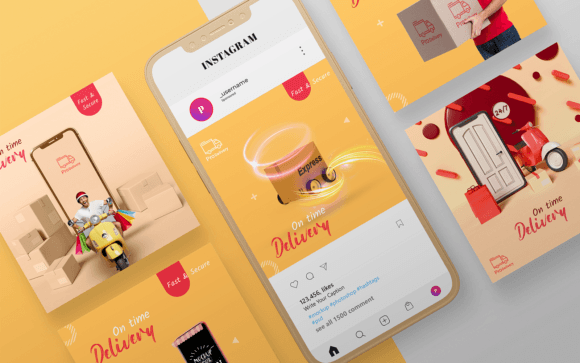
Consistency is the silent engine of brand recognition. For any agency, maintaining a cohesive visual language across Instagram stories, LinkedIn posts, and Facebook ads isn't just about looking good—it's about building trust. That's where a solid collection of Social Media Templates for Agency becomes less of a luxury and more of a fundamental operational tool. We are moving beyond generic stock images; we are talking about a structured design system that empowers your team to produce high-quality content without reinventing the wheel every single day.
The Anatomy of a High-Performance Template Collection
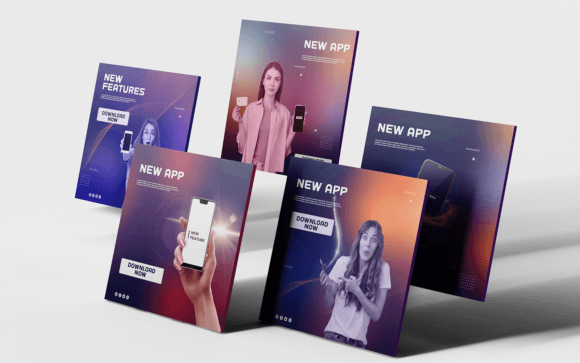
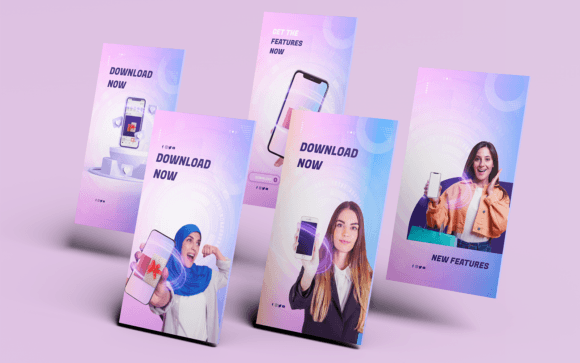
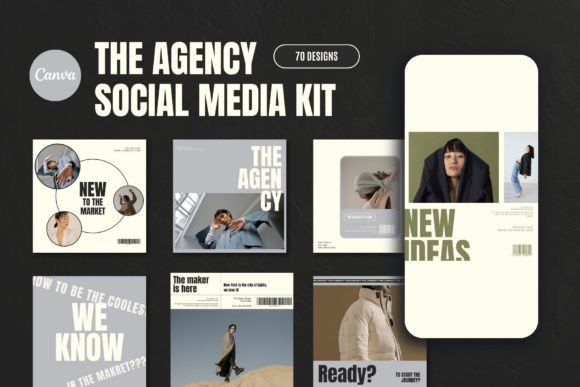
When we talk about a professional template library, we aren't just discussing a folder of pretty JPEGs. A robust Social Media Templates for Agency collection is defined by its underlying structure and adaptability. Visually, these assets often bridge the gap between strict corporate minimalism and bold, expressive modern typography. You will typically find a mix of sans serif font pairings for clean readability in body copy, occasionally accented by a sharp display font for headlines to grab attention in a crowded feed.
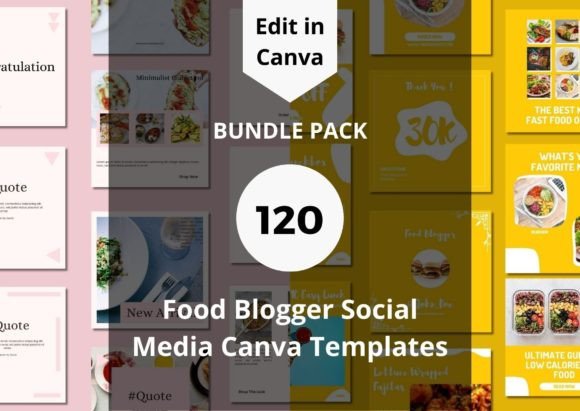
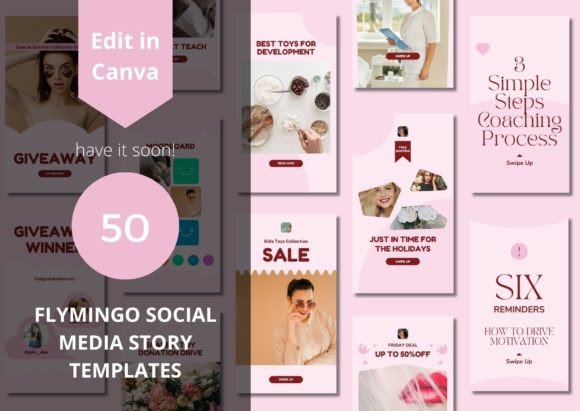
The personality of these templates is usually "confident versatility." They need to feel premium enough to impress a client, yet flexible enough to accommodate a local bakery or a tech startup. The appeal lies in the details: consistent grid systems, balanced negative space, and color palettes that are easily swappable. Unlike a standard creative font used for a single logo, these templates are designed as design assets that support a wide range of content types, from quote cards and carousels to story backgrounds.
Strategic Application: Beyond the Instagram Feed
The true value of a dedicated template set is realized in its application. While they are essential for social media graphics, their utility extends much further. A well-designed set of templates can streamline your editorial design process for digital magazines or blog headers. They serve as the backbone for web design mockups when presenting concepts to clients.
Consider the workflow of a busy marketing team. Instead of a designer spending three hours crafting a single campaign visual, they can utilize a premium font integrated into a template to generate assets in minutes. This efficiency allows for rapid A/B testing in ad campaigns. Furthermore, these templates often translate well into packaging design inserts or digital lookbooks, ensuring that your brand identity remains unbroken from the screen to the physical product.
Refining Visual Hierarchy and Audience Engagement
Design is ultimately about communication, and typography is the voice of your visual content. By utilizing a curated set of templates, you inherently solve the problem of visual hierarchy. A common mistake in DIY design is using too many typefaces. A professional template system usually restricts you to a harmonious font pairing—perhaps a geometric sans serif font for instructions and a humanist serif font for storytelling.
This structure guides the viewer's eye exactly where it needs to go. When a user scrolls through a feed, they process images in milliseconds. If your layout is chaotic, they scroll past. If the hierarchy is clear—headline, subhead, body, call to action—they pause. This pause is engagement. It signals to algorithms that your content is valuable. It also influences brand perception; a chaotic feed suggests a disorganized agency, while a polished, templated feed suggests reliability and professionalism.
Practical Guidance for Selection and Integration
Choosing the right Social Media Templates for Agency requires a critical eye. Do not simply download the first free pack you find. Evaluate the project fit by looking at the "bones" of the design. Does the template rely on a handwritten font that might clash with your client's corporate tone? Is the script font legible at small sizes on mobile devices?
Here is a practical checklist for implementation:
- License Verification: Ensure any included commercial font is licensed for client work. You do not want a copyright issue down the road.
- Format Compatibility: Check if the files are compatible with your preferred software (e.g., Canva, Figma, Adobe Photoshop) to ensure a smooth workflow.
- Scalability: Look for vector-based elements. While the text might change, the icons and shapes need to remain crisp whether used in a logo design presentation or a billboard mockup.
- Readability Testing: Test the typeface at various sizes. A beautiful display font might be illegible when used for a disclaimer or terms and conditions text.
Ultimately, the goal is to build a toolkit that feels like a natural extension of your agency's workflow. By investing in high-quality templates, you are not just buying graphics; you are buying time, consistency, and a scalable foundation for your brand identity