Video Call Landing Page Templates: Your Digital Front Door
In today's hybrid world, your video call landing page is often the first handshake, the initial impression that sets the tone for a meeting, consultation, or demo. It’s more than just a link; it's a dedicated space that frames your professionalism and prepares your guest. A well-designed template does the heavy lifting, ensuring the focus stays on the connection, not the technology. These templates are crafted to be intuitive, reducing friction for attendees and projecting a polished brand image from the very first click. Think of it as the digital equivalent of a well-appointed meeting room—organized, welcoming, and on-brand.
The Anatomy of an Effective Template
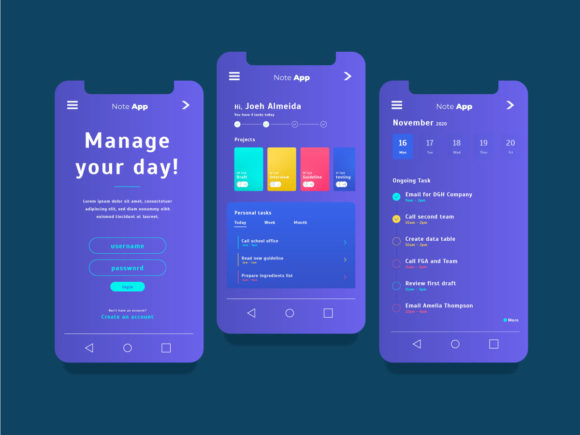
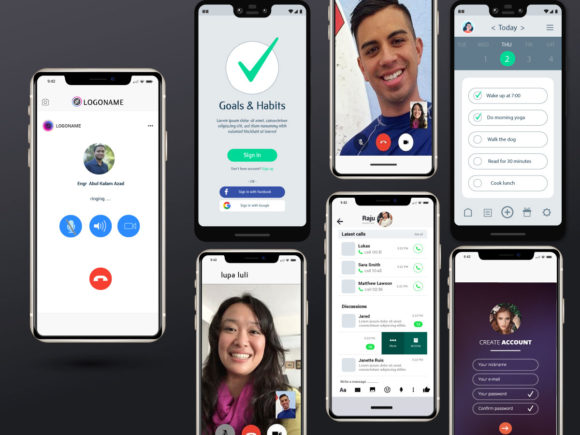
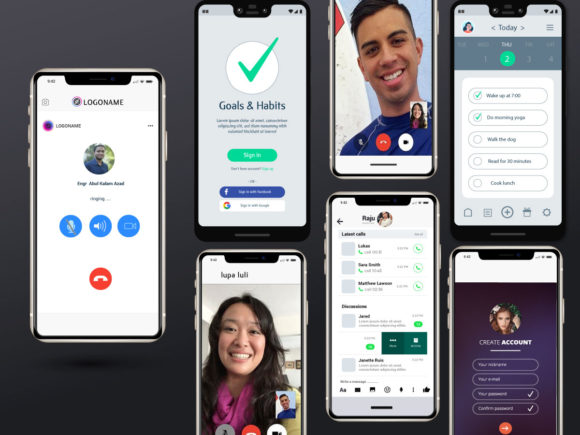
A standout video call landing page template isn't just about looking good; it's about functioning seamlessly. Visually, it should reflect your brand's personality—whether that's corporate and clean, creative and vibrant, or minimal and modern. The layout needs a clear visual hierarchy, guiding the user's eye to the most critical elements: the call-to-action button, meeting details, and any necessary instructions. Key visual characteristics often include ample white space to reduce cognitive load, a color palette that aligns with your brand identity, and typography that prioritizes readability on screens of all sizes. The overall appeal lies in its ability to make a complex digital interaction feel simple and controlled.
Where These Templates Truly Shine
The applications are incredibly versatile. For entrepreneurs and small business owners, a polished landing page for discovery calls or client onboarding sessions builds immediate trust. Marketers and sales professionals can use them for webinar registrations or product demo sign-ups, creating a cohesive journey from ad to live event. Designers and agencies benefit by presenting a unified brand experience during client presentations. Even educators, coaches, and consultants find them invaluable for creating a professional setting for online classes or one-on-one sessions. The template becomes a critical piece of your digital design assets, adaptable for web design projects, internal communications, or social media graphics that drive registrations.
Choosing and Customizing Your Template
Selecting the right template involves evaluating its alignment with your project's goals and brand. Start by examining the layout. Does it support the amount of information you need to convey without feeling cluttered? Test the user flow: is the path from landing to joining the call logical and straightforward? Consider the font pairings included. A strong template will offer a display font for headings that captures attention, paired with a highly legible sans serif font or serif font for body text. Check the included file types—like Full Vector (SVG & EPS) files—because they are essential for true customization. These vector files allow you to resize elements infinitely without quality loss and easily change colors to match your brand guidelines, a key step in maintaining brand consistency.
Practical Tips for Implementation
Once you've chosen a template, personalization is key. Start with your logo. Ensure you have a high-resolution version, ideally in a vector format, to maintain crispness. Update all placeholder text with your specific meeting details, agenda, and clear instructions. Test the page across different devices—what looks perfect on a desktop might need adjustments for mobile viewing. Pay close attention to the readability of your chosen fonts at various screen sizes. A premium font with multiple weights can be a valuable asset here, allowing you to create clear hierarchy without adding complexity. Finally, always run a test call using the page to experience the flow from your attendee's perspective. This practical check can reveal subtle issues with timing, button placement, or clarity that you might otherwise miss.
Beyond the Call: Building Brand Recognition
The impact of a thoughtfully designed video call page extends far beyond a single meeting. It contributes to a cumulative sense of professionalism and attention to detail. When every touchpoint—from your website to your email signature to your meeting link—feels intentionally crafted and cohesive, it reinforces your brand identity